
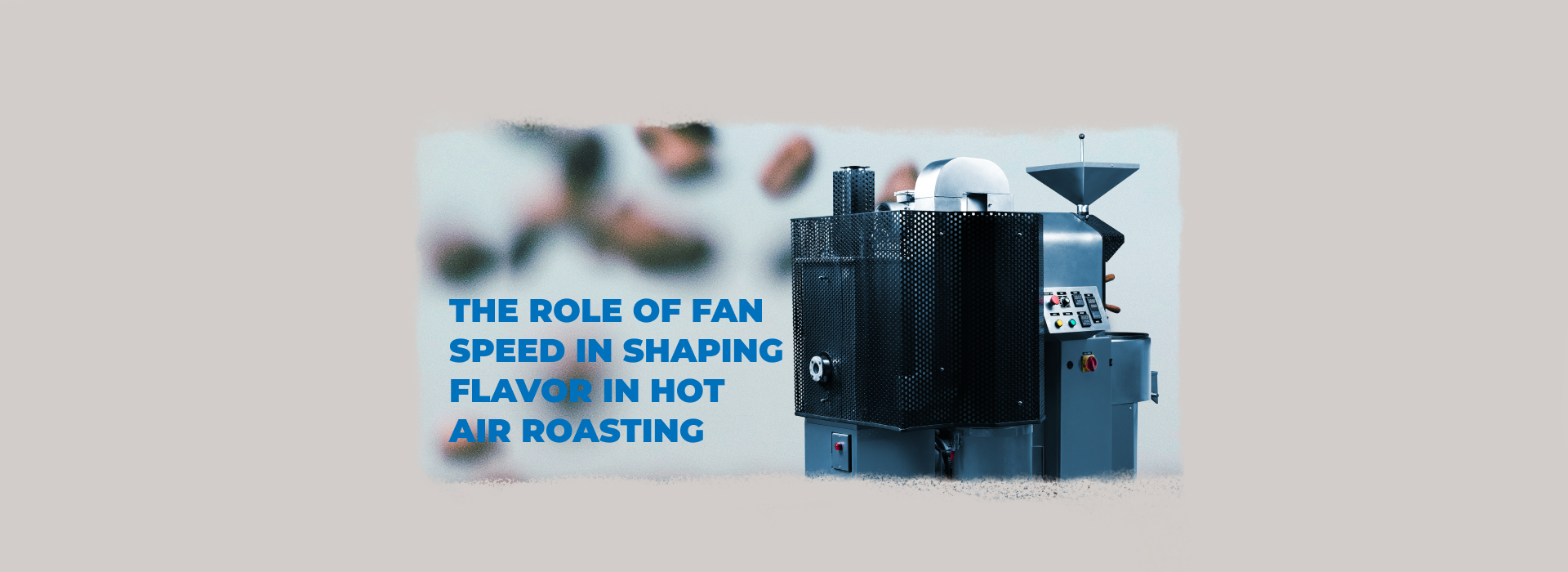
The Role of Fan Speed in Shaping Flavor in Hot Air Roasting
Airflow is the cornerstone of hot air roasters, directing both heat distribution and bean movement within the roasting chamber. But without proper adjustment, poor airflow can lead to unwanted flavors in the final cup. Because airflow depends on how fast the fan is spinning, dialing in the right speed can help you achieve your desired flavor targets. This guide unpacks how fan speed influences flavor development and why getting it right matters for crafting well-balanced coffee.
What Fan Speed Does in Hot Air Coffee Roasters
Hot air roasters rely on convection to roast coffee beans, with airflow as the primary driver of heat transfer. To control that airflow, fan speed must be precisely adjusted, as it influences several important parts of the roasting process:
Bean Movement and Suspension
Proper airflow, controlled through fan speed, keeps beans tumbling and suspended evenly in the roasting chamber. This helps prevent defects like tipping or scorching by ensuring consistent exposure to heat.
Heat Transfer Efficiency
Adjusting the fan speed controls how effectively convective heat reaches the beans and determines how evenly and deeply heat penetrates from surface to core.
Chaff Removal and Exhaust Flow
A well-managed airflow helps remove chaff and smoke from the chamber, maintaining clean roasting conditions and reducing the risk of off-flavors in the final cup.
How Fan Speed Affects Flavor Development
Because fan speed control shapes how effectively convective heat transfers to the beans, setting the speed higher or lower during the roast directly affects how coffee flavors develop.
- Higher Fan Speeds: Higher airflow increases convective heat transfer and accelerates moisture and by‑product removal. This tends to lead to cleaner flavours, more clarity and vibrancy in acidity. But, too much airflow can cause the outside of the bean to scorch (tipping), while the inside remains underdeveloped, often resulting in baked or flat flavors due to insufficient heat penetration.
- Lower Fan Speeds: Reduced airflow slows convective heat transfer, allowing more time for internal bean development and can contribute to a fuller body or sweetness. But insufficient airflow risks uneven roasting, leading to smoky or ashy notes due to retained chaff and reduced oxygen.
Adjusting Fan Speed Across Roast Phases
During a roast, each phase brings different thermal and chemical challenges, which means the airflow requirements change as the beans progress. Paying attention to these changes and adjusting fan speed to match each phase enables you to control how heat moves through the beans, helping you guide flavor development more precisely.
Drying Phase
Keep fan speed at a low to moderate level to allow moisture to escape without excessively cooling or agitating the beans. Too much airflow early can pull heat away or slow the drying curve, potentially leading to a weaker roast foundation.
Maillard Reaction Phase
Gradually increase the speed of the fan or airflow to support even browning and balanced heat transfer. This phase is where sugar and amino acids react to form key flavor precursors. It also helps remove steam and volatile compounds that can mute flavor if left in the chamber.
Development Phase (Post First Crack)
Increase fan speed to a higher level than during the Maillard phase to handle the rapid release of heat and gases. This helps stabilize the Rate of Rise (RoR) and clears smoke, chaff, and volatiles from the chamber. At this stage, airflow is crucial for maintaining cup clarity and avoiding roast defects like tipping or smoky notes.
Cooling Stage
Set the fan speed to maximum during cooling to stop further development quickly and evenly. Effective cooling also removes residual chaff and prevents carryover bitterness or baked notes in the final cup.
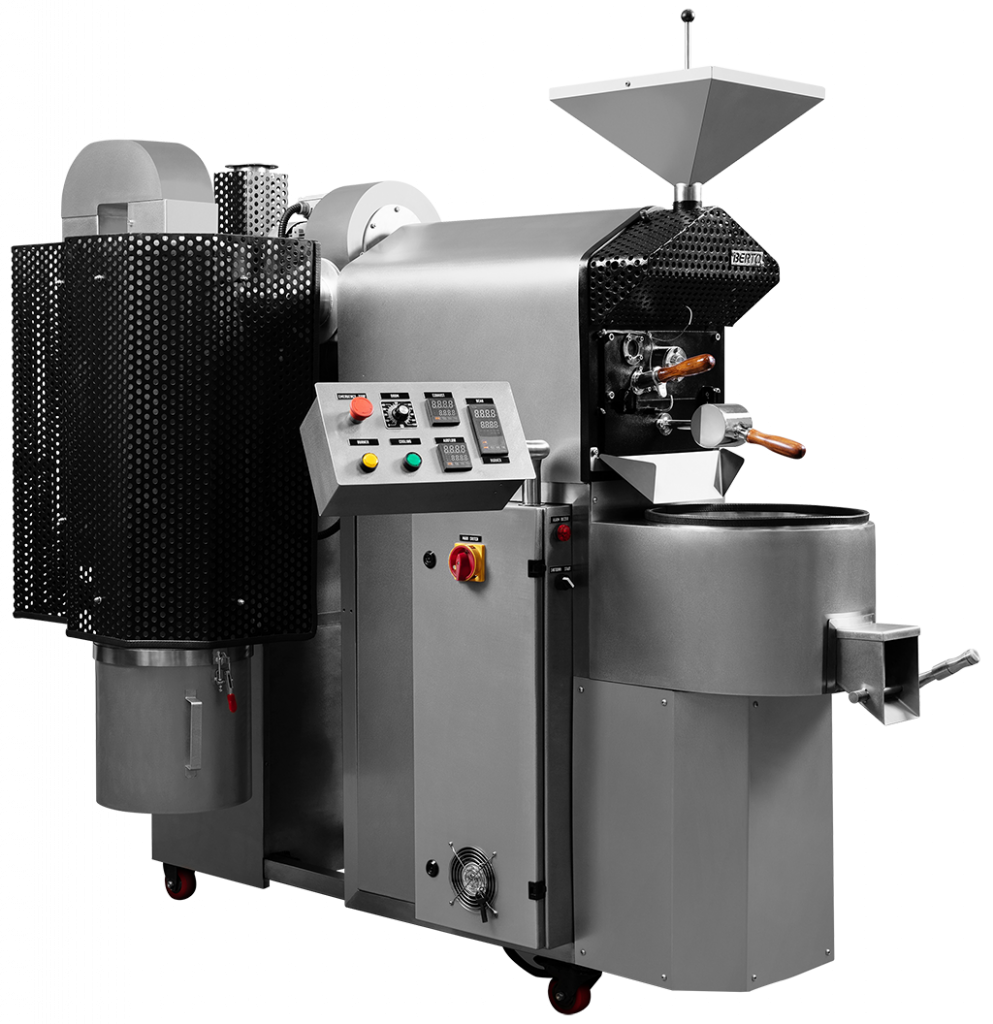
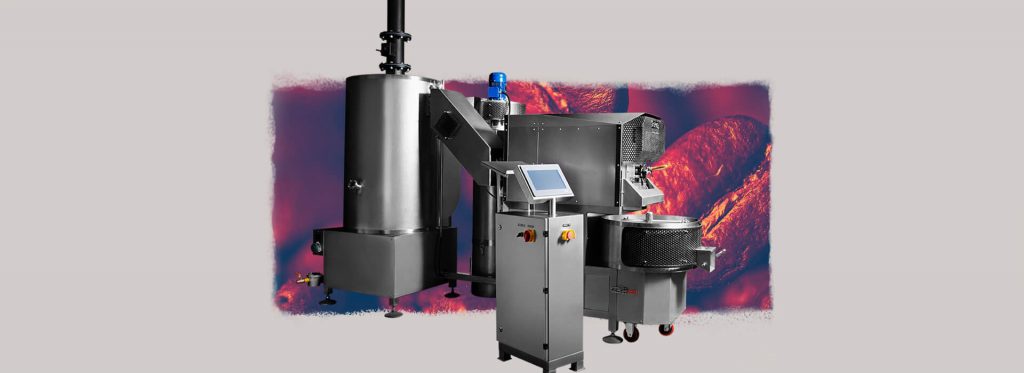
In Berto’s hot air roasting machine lineup, once you adjust the fan speed to achieve your desired airflow, you can record and repeat the roast profiles. Playback Assist™, available in both Berto Essential Air and Berto Type R Roaster, works seamlessly with software like Artisan Roaster Scope or Cropster, providing roasters with the ability to save and replicate profiles with reliable airflow settings.
Berto Type R Roaster (8 kg, 20 kg, and 60 kg) offers more advanced control. Integrated PID (Proportional-Integral-Derivative) simplifies profile management by enabling roasters to pre-program key variables, including airflow, directly through Recipe Mode. This supports fully automated roasting for more reliable and easily repeatable batches.

Tips for Monitoring and Evaluating Fan Speed in Coffee Roasting
Here are a few practical tips to help you monitor and adjust fan speed effectively. Typically, this involves a combination of sensory observation and data-driven tools:
1. Visual Indicators
Observing bean color changes and chaff movement helps determine whether airflow is evenly distributing heat and properly evacuating smoke. Irregular movement or chaff buildup can signal issues with airflow control.
2. Sensory Evaluation
Tasting the roasted coffee can reveal imbalances in airflow or heat transfer. Bitterness, sharp acidity, or dull flavors often indicate problems with roast development linked to airflow settings.
3. Data Monitoring
Tools like rate of rise (RoR) curves provide real-time feedback on temperature changes during roasting. While it doesn’t directly measure fan speed or airflow, changes in RoR can indicate how adjustments to airflow or heat input are influencing overall roast behavior and development.
Understanding how fan speed works is one of the most important aspects for shaping the final taste of your coffee in a hot air roasting machine. It determines how airflow behaves and needs to be adjusted throughout key stages of the roast. If you’re looking for an easier way to manage airflow, Berto Essential Air and Berto Type R Roaster offer features that let you record and repeat your full roast profile, including precise fan speed settings. Contact us today to learn how Berto hot air roasters can simplify your airflow control and help you achieve more consistent roasts.
Related Roasters
Related Article
What’s So Great About Hot-Air Roasting?

Related Article
Understanding Heat Transfer Inside The Coffee Roaster Machine

Related Article
Coffee Roast Defect: How to Avoid Tipping & Scorching?

Related Article
Cooling Method: An Essential Step in Coffee Roasting

Related Article
Sensory Coffee Roasting: Fine-tuning Your Senses

Related Article
