
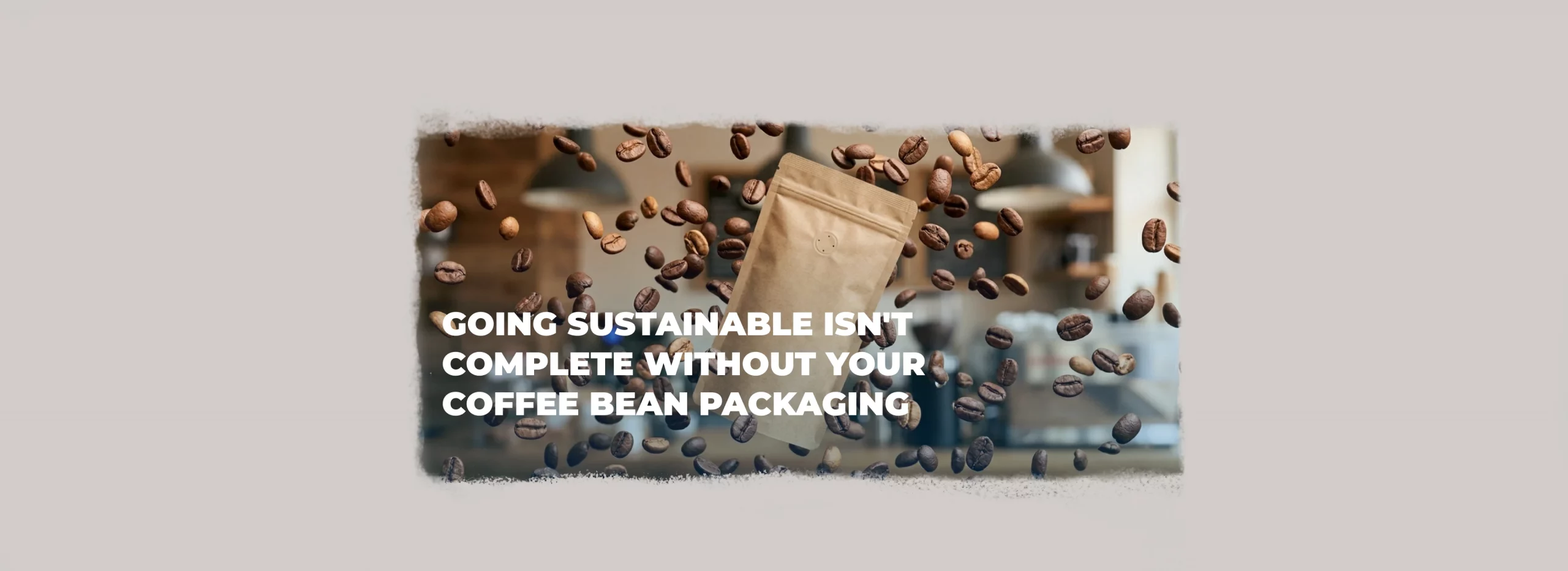
Going Sustainable isn’t Complete Without Your Coffee Bean Packaging
Coffee bean packaging is often treated as a small detail, but it can have a bigger impact on the environment and how people perceive your brand than you might think. If you have always associated sustainable roasting with just reducing carbon emissions and improving energy efficiency, this article will break down what sustainable coffee packaging really means and share tips for creating packaging that is both eco-friendly and functional.
Why Invest in Eco-Friendly Coffee Bean Packaging
Global coffee consumption continues to rise, but it comes with an environmental cost. Most roasteries still rely on multi-layer plastic and aluminum foil packaging that is difficult to recycle and contributes to growing waste in landfills and oceans, making packaging a bigger part of the sustainability challenge.
At the same time, consumers are becoming more environmentally aware, especially Gen Z and Millennials, who actively seek brands that align with their values. And for many of them, the first impression starts with the packaging. So even if your roasting process is sustainable, packaging is still what catches their eye and can influence their purchasing decisions.
What to Expect When Switching to Sustainable Coffee Bean Packaging?
Before deciding to switch to sustainable coffee bean packaging, here are some benefits and challenges worth keeping in mind:
Key Benefits of Sustainable Coffee Packaging Design
- Helps reduce waste that would otherwise end up in landfills or pollute the environment.
- Supports a circular economy by using recycled alternatives instead of virgin materials.
- Gives your brand a clear edge by showing a genuine commitment to values that today’s consumers care about.
- Makes customers feel good about their purchase, knowing it contributes to something bigger than just a great cup of coffee.
- That positive feeling tends to spread, as people are more likely to recommend brands that align with their values.
The Challenges of Sustainable Coffee Packaging Design
- Eco-friendly materials and specialized printing typically come at a higher cost than standard plastic or foil-lined packaging.
- Many sustainable materials offer weaker barrier protection, with paper-based options preserving freshness for only a few weeks to months, compared to up to 12 months with foil-lined bags.
- Sourcing can be more time-consuming due to limited availability and a smaller pool of specialized suppliers.
Materials to Consider for Your Eco-Friendly Coffee Packaging
The right packaging material does two things well: it keeps your beans fresh and minimizes environmental impact. These are some of the most commonly used options in the roasting industry today:
Recyclable Mono-Plastic (LDPE)
As the name suggests, mono-plastic packaging uses a single plastic material called Low-Density Polyethylene (LDPE). It is 100% recyclable through polyethylene (PE) recycling streams, which are widely available across processing facilities. In terms of freshness, this type of packaging is thought to offer a long shelf life and perform similarly to conventional plastics.
Compostable Bioplastics (PLA & PBS)
Have you ever seen packaging made from cassava? That is called compostable bioplastics. They are made from plant-based materials such as cassava, cornstarch, or sugarcane. These materials are fermented to produce biopolymers like Polylactic Acid (PLA) or Polybutylene Succinate (PBS) and formed into flexible films. The result is a material that looks and functions similarly to plastic, but is designed to break down under the right composting conditions.
For durability, this packaging can preserve coffee freshness for up to 4 months, as long as it is stored in a cool, dry, and well-ventilated environment.
Kraft Paper
Kraft paper is a popular choice for brands going for a natural, earthy look. However, it is sensitive to solvents, meaning coffee oils can soak through and cause grease stains over time. So, Kraft paper is often paired with a bio-film or recyclable lining. Without these liners, customers should be advised to transfer the beans to an airtight jar.
Reusable Tins
If your roastery adopts a refill system, these containers offer durability and a premium feel. When implemented well, they can help reduce single-use packaging over time and promote more sustainable consumption habits.
You can also offer small discounts for refills since packaging costs are lower, making it a simple yet effective way to attract and retain customers.
Tips For Designing Your First Sustainable Coffee Bean Packaging
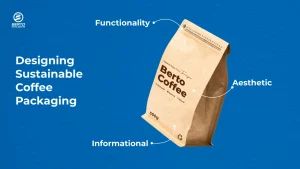
When designing your eco-friendly coffee packaging, there are three factors you should know:
1. Functionality
Keeping coffee fresh is a core part of functionality, and adding a resealable design or sealing mechanism is the key to preserving it. You can opt for a zip-lock or tin-tie closure to help customers reseal the package after opening.
For better storage stability, a box-bottom or gusseted design lets the bag stand upright on shelves and makes it easier for customers to handle and scoop the coffee.
2. Aesthetic
The simplest way to reinforce your brand when adopting sustainable packaging is to use the material’s natural texture as part of the design rather than relying on overcrowded graphics. Kraft paper, for example, creates a “farm-to-cup” feel, while matte-finish bioplastics give a more modern and premium look.
When it comes to text elements, soy-based or water-based inks offer a softer, more organic color palette. You can also explore embossing or debossing techniques if you want to add texture and depth to your packaging.
3. Informational
Other than coffee notes or bean variations, you might want to include information on how to manage the packaging once it’s empty, using bold, easy-to-understand icons. This helps customers dispose of it correctly, whether it belongs in home compost, industrial compost, or plastic recycling.
If there’s space on the side or back panel, briefly explain why you chose sustainable packaging and what the material is made from. This adds transparency and helps customers feel more connected to your brand.
Looking at the bigger picture, sustainability in coffee roasting is a continuous commitment. Therefore, let your packaging be part of that journey, one that shows your customers you care about the coffee and the planet.
If you want to learn more about coffee roasting techniques and the coffee roasting business, check out our other articles. Or if you are looking for the right roasting machine for your roastery, speak with our team today!
What Coffee Roasters Must Know About Roasting Decaf Coffee Beans
Related Article
Green Roasting: Sustainable Practices for Eco-Friendly Coffee
Related Article
Coffee Roasting Trends and Innovations: Staying Ahead with Berto

Related Article
Myths and Facts about Fresh Coffee
Related Article
