Electric vs. Gas Coffee Roasters: What’s the Difference?
Electric or gas coffee roaster? It’s a common question buyers ask when choosing a roasting machine, alongside considerations such as roasting configuration. This topic also often sparks debate among coffee enthusiasts. One reason is that the heat source can influence how you control heat and how much the machine costs to operate.
If you’re about to invest in your first coffee roasting machine, this blog covers the pros and cons of each heating system and how to choose based on your needs.
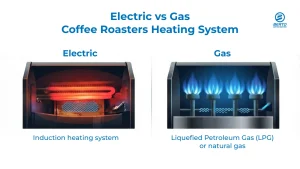
How Electric and Gas Coffee Roasters Work
An electric coffee roaster works by converting electrical energy into heat to warm the roasting chamber. It uses an induction heating system placed below or around the drum, with the heat controlled through the power output.
A gas roaster burns Liquefied Petroleum Gas (LPG) or natural gas to create a flame that heats the drum. You can raise or lower the heat by adjusting the gas pressure from the control panel.
But how it works isn’t the only thing buyers consider. In recent years, electric coffee roasting has gained traction as “an environmentally friendly option” because it doesn’t require fuel combustion. But this doesn’t necessarily mean gas roasters are less efficient or less environmentally friendly. Let’s take a closer look at the pros and cons of each heating method.
Pros and Cons of Electric Coffee Roasters
Here’s where electric roasters shine and their limitations.
Pros:
- Plug-and-play setup that only requires a standard electrical outlet, eliminating the need for professional gas line installation and making it a flexible option for in-house roasting.
- Lower carbon footprint, since the machine doesn’t burn fuel or produce an open flame to make heat.
- Maintenance is simpler because an electric roaster generally has fewer components than a gas roaster.
- Gradual, even heating helps distribute heat steadily across the drum and can help prevent scorching or tipping.
Cons:
- Longer heating time, as the gradual heating process means the machine needs more time to reach the desired roasting temperature.
- Fewer capacity options due to power limitations and heat generation. If you’re planning to scale up your roastery and produce hundreds of kilograms of coffee, you may find more suitable capacity options with gas roasters.
- Electricity costs can add up over time, particularly in areas with high electricity prices and for roasteries with frequent or longer roasting sessions.
Best Use Case for an Electric Coffee Roaster
An electric roaster is a good choice if you need a simple setup for home roasting, small-scale production, or a machine for sample profiling. It also works well if you have access to reasonably priced electricity for the batch sizes you roast.
But if you’re planning to scale up production, electric models typically offer fewer capacity options and may be limited by their power requirements.
Pros and Cons of Gas Coffee Roasters
Gas coffee roasters have earned their place in many professional roasteries, but they come with some challenges.
Pros:
- Quick heat response because it comes directly from the flame, which lets you raise or lower the temperature precisely without lag at each stage of the roast.
- Versatile batch sizes ranging from around 1 kg for small commercial batches to 60+ kg for large production machines.
- Built for heavy use with durable materials that can handle long hours of daily production and high temperatures.
- Cheaper to run per batch in many regions, where gas is more affordable than commercial electricity.
Cons:
- Higher setup requirements for gas line installation and proper ventilation. Roasting in indoor spaces such as commercial buildings or cafes may also require a chimney or exhaust duct to remove roasting fumes safely.
- Regular maintenance is needed for burner cleaning, chimney & ventilation inspections, and periodic gas line checks to keep the machine in good working condition.
- More challenging to master as gas flames respond quickly, so improper adjustments, even small ones, can cause rapid temperature spikes that may scorch or burn the beans.
- Higher carbon footprint from carbon dioxide (CO₂) released when burning LPG, and incomplete combustion can also produce carbon monoxide.
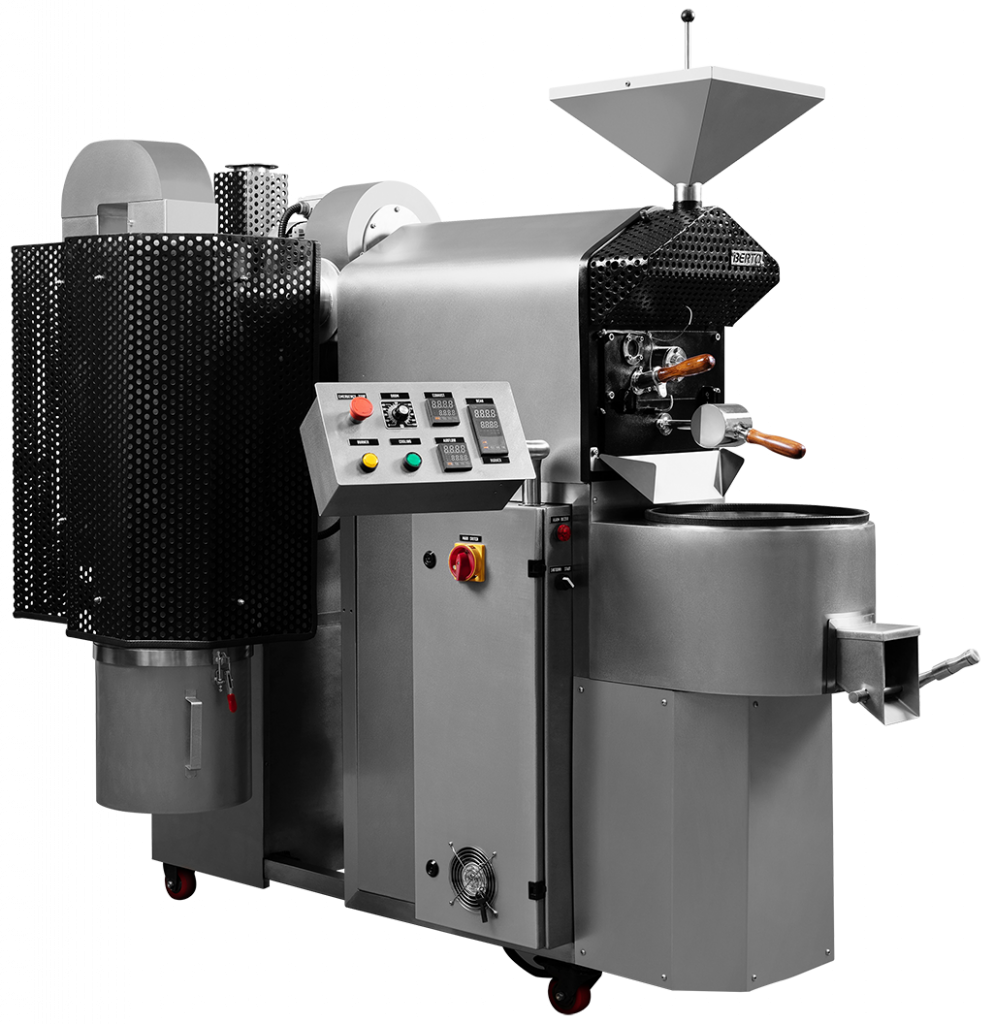
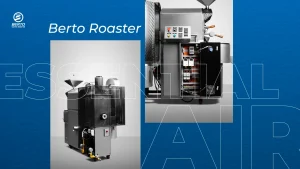
That said, gas roasting doesn’t always mean higher emissions. Many modern roasting machines include built-in systems to reduce smoke and emissions. For example, Berto Essential Air has an integrated afterburner that helps break down harmful compounds before they are released into the air. Berto Type R Roaster also uses a very low-emission, smoke-free system that sends exhaust air through a high-performance cyclone and into the furnace, where the smoke and gases are treated at high temperature before being released.
Best Use Cases for a Gas Coffee Roaster
A gas roaster works best for roasteries that are running or planning to scale, offering responsive heat control and enough batch capacity to handle hundreds of kilograms of production per day. Just make sure to have a safe space for the gas supply and proper ventilation.
There’s no single winner between electric and gas coffee roasters because each is designed to meet different roasting needs. Think about your space, your local energy prices, and how much you plan to roast—and you’ll be in a good position to make a smart investment.
Not sure which machine fits your roastery? Inquire today and our team can help you choose Berto machine that best suits your space and roasting goals!